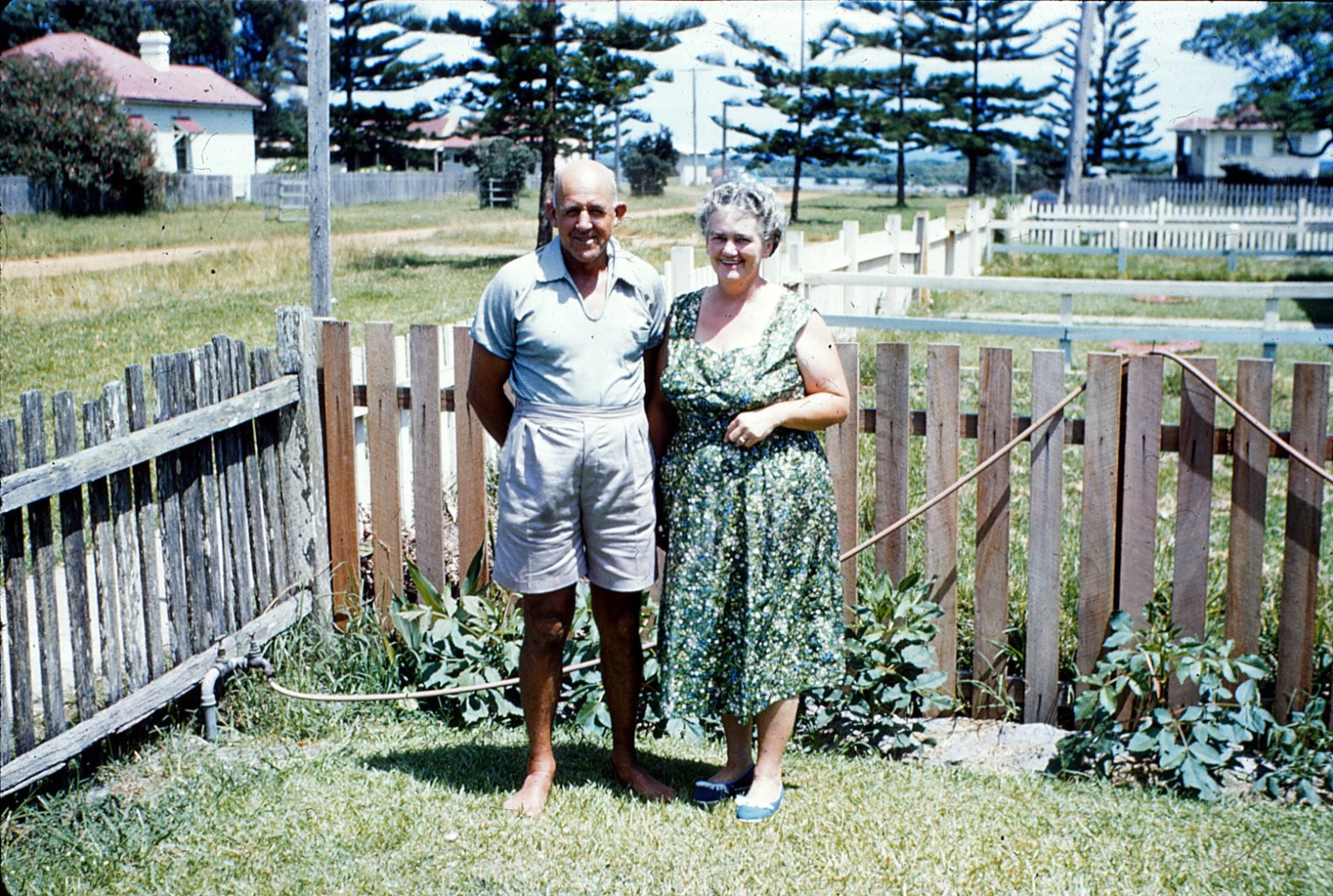
A Seaside Cottage
So why tell the story of a little cottage in a little town by the sea? It is not a house of a large farming dynasty, or an important large significant historic building in Sydney, nor even Grafton. It is a small, originally four roomed, cottage on a narrow block of land in Yamba, a once isolated quiet haven that is now a bustling seaside holiday and retirement town. In many ways the little cottage tells the town’s story.
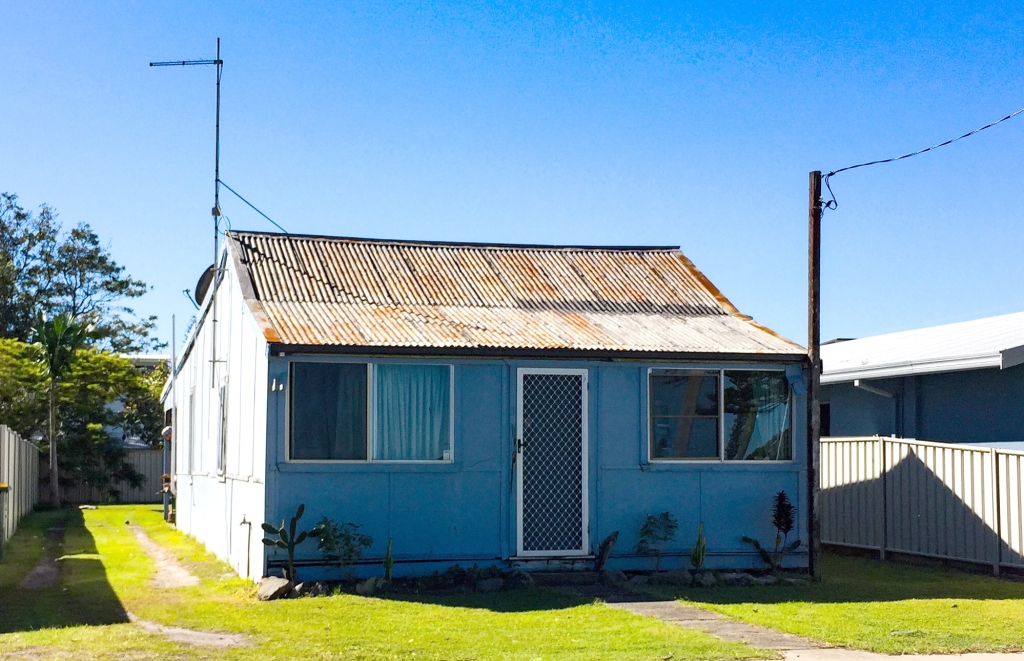
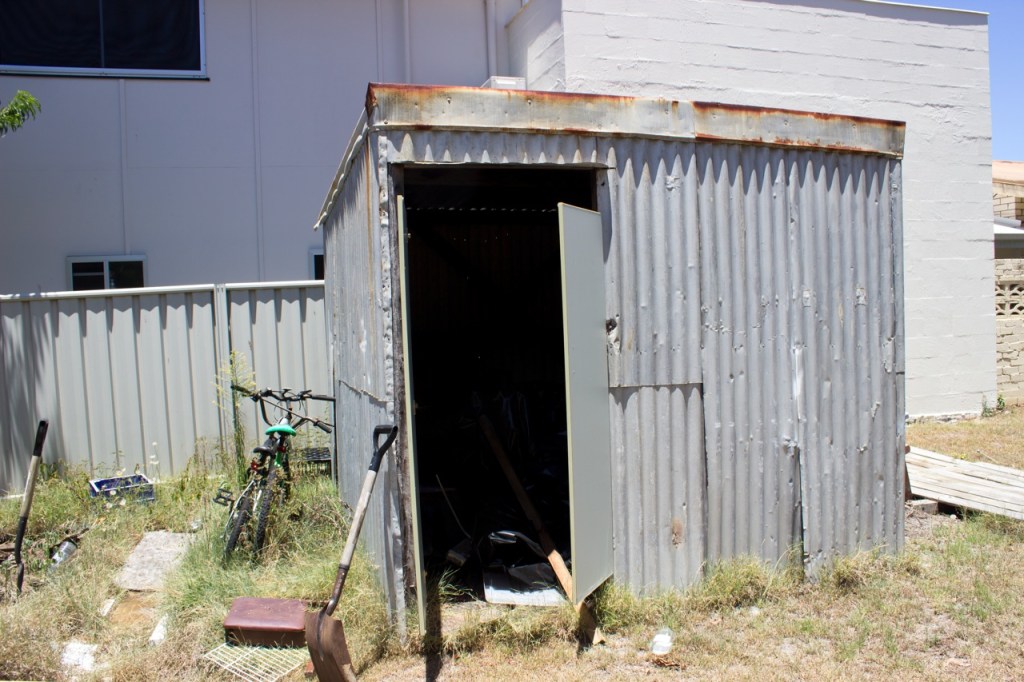
It is important to tell the story of this little cottage because it is part of our family history. It is especially important to my Dad who spent a lot of time maintaining and improving it for his parents while they were alive. He knows how it is built, loves the original hand pit sawn timbers and hand mortared timber corners, he knows the timber he took from inside when he removed a wall to open up the small dining and living areas into one. He used those timbers to build the frame for a new shed in the backyard, the timbers were so hard he could barely drive a nail into them. This timber is local timber, sourced 130 years ago to build a cottage so that families could come and lease it out at the ‘seaside resort’ of Yamba to help ‘improve their health’. Like the house, the shed still stands nearly 50 years later against all the odds, but then again my Dad always built things sturdy to last.
This small cottage is one of the earliest and last remaining cottages left in Yamba in 2023. From the outside it looks like a fibro shack, but that is deceptive. The fibro covers the external original hand sawn timber walls. The rusted roof, not replaced since the 1970’s, covers the original timber paneled ceilings and walls of wide boards with gaps where the light shines through from one room to another. In 2013 I took my Dad and Mum back to see the little house when it was for sale and had an open house. The people renting it were in the midst of trying to pack up to move but it was wonderful to be able to walk back through and they allowed us to take photos. It is the internal rooms and old timbers and the light through those timber framed windows that evoke memories.
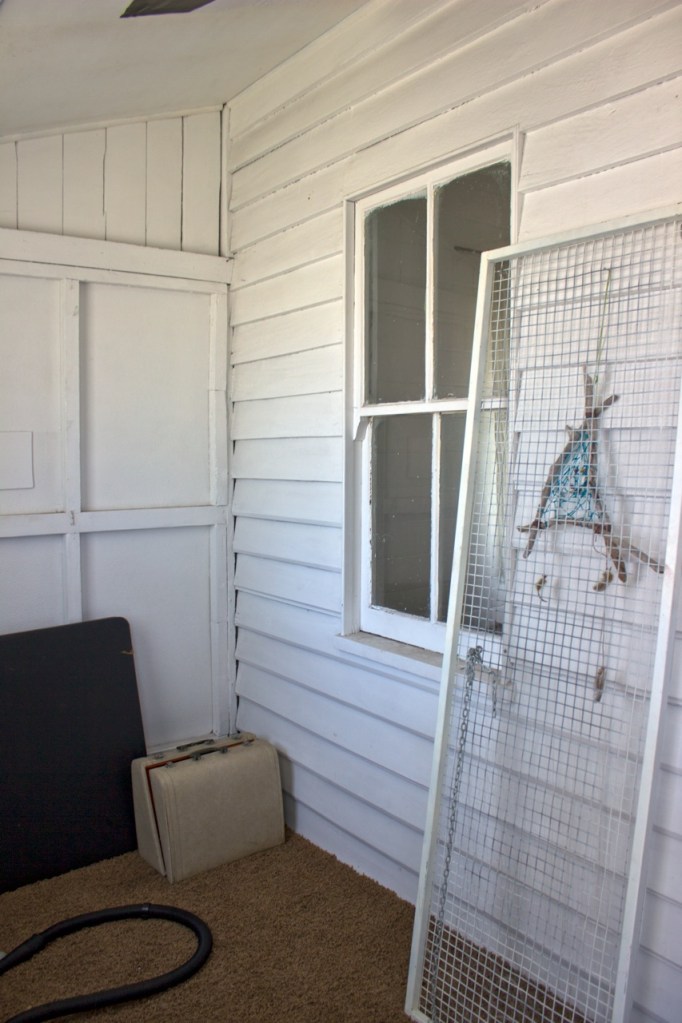
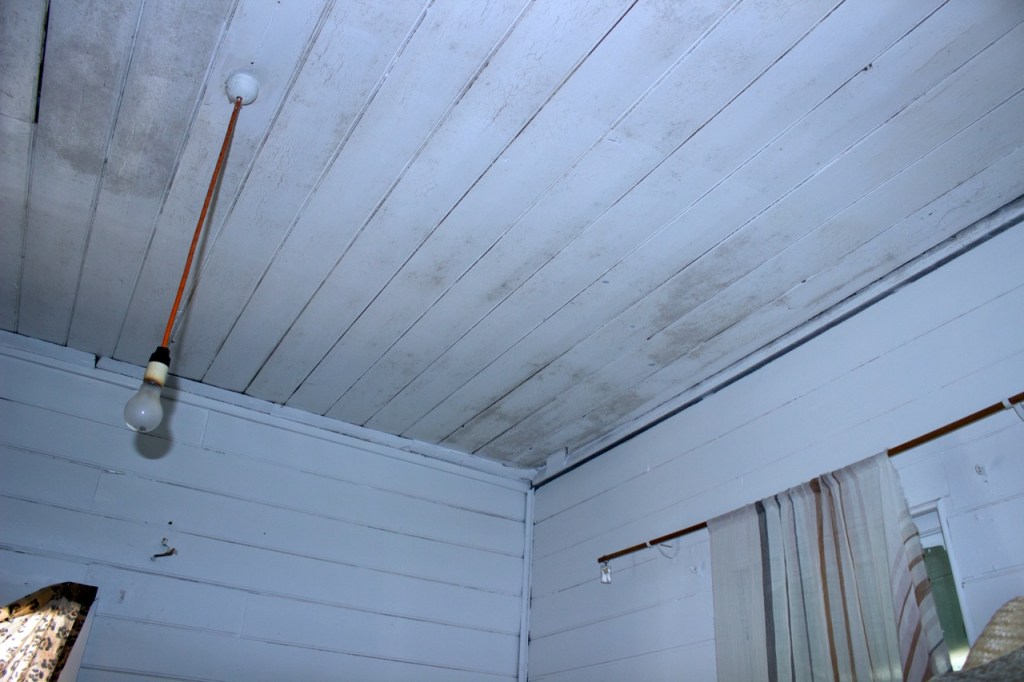
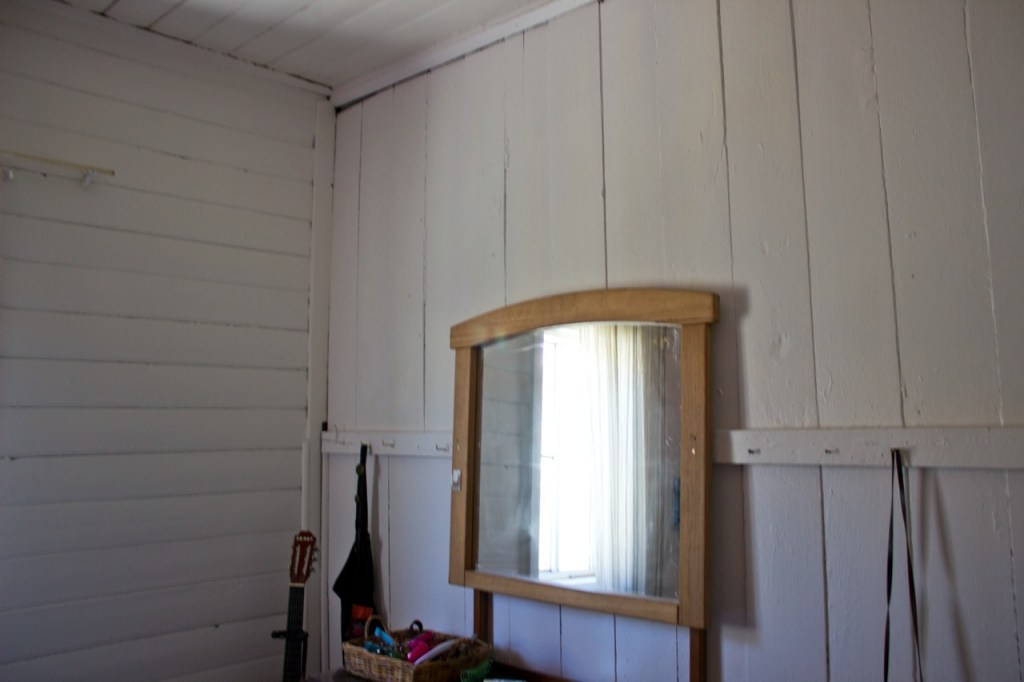
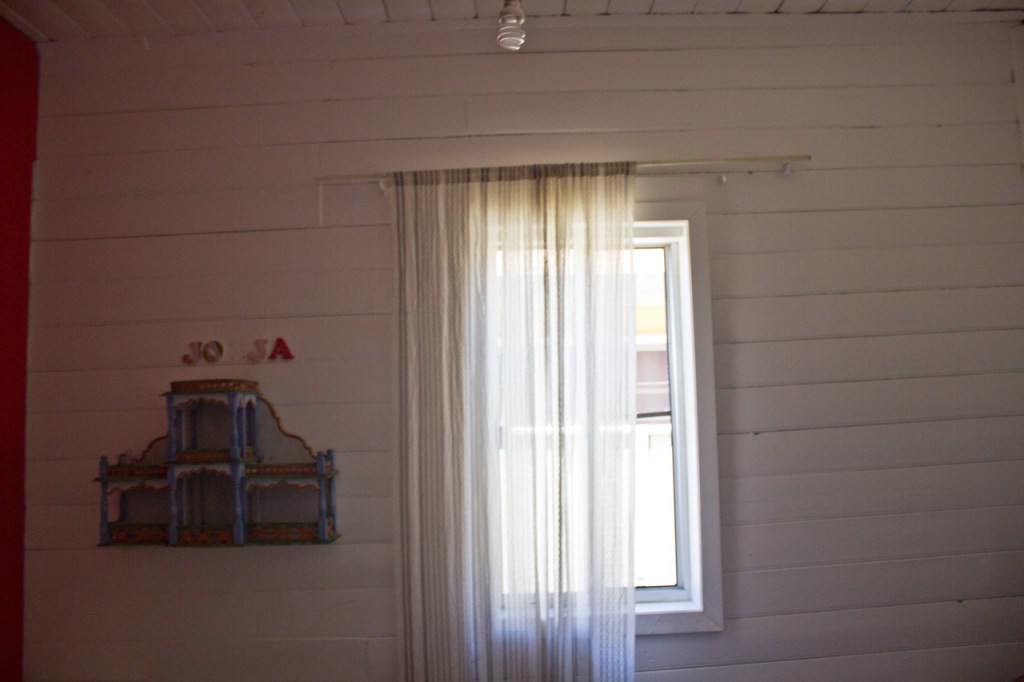
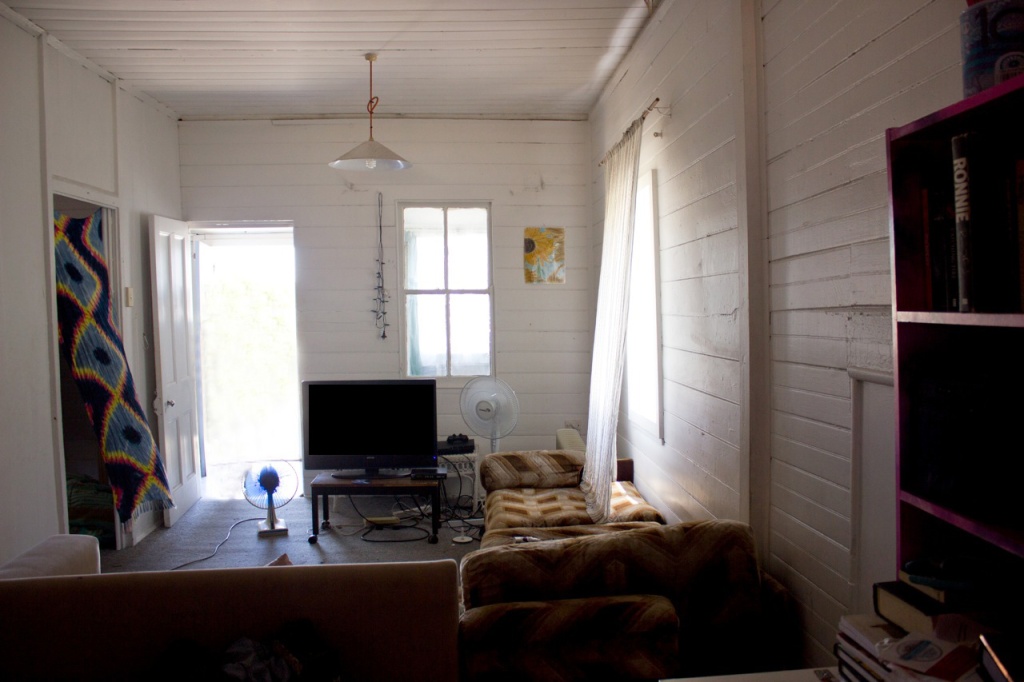
As kids all our family remembers lying in bed at night under mosquito nets hung from hooks on the ceiling, and still the mosquitos buzzed. We watched the winking light shine through the gaps in the wall boards and listened to the surf from the surrounding beaches as each wave struck the sand and swept out to sea again. For me, the best nights were the stormy ones when the sea was pounding and the steady crashing waves sent me off to sleep. Memories of family crowding in, sleeping on bunk beds, extra beds and lounges so we could spend time with Marie and George, our grandparents. Days of fishing, swimming, reading and eating the home made meals, corned meat and pickles sandwiches and cakes made by our grandma, Marie. Of family meals, yearly family fishing festivals, sand, beaches and fishing, always fishing.
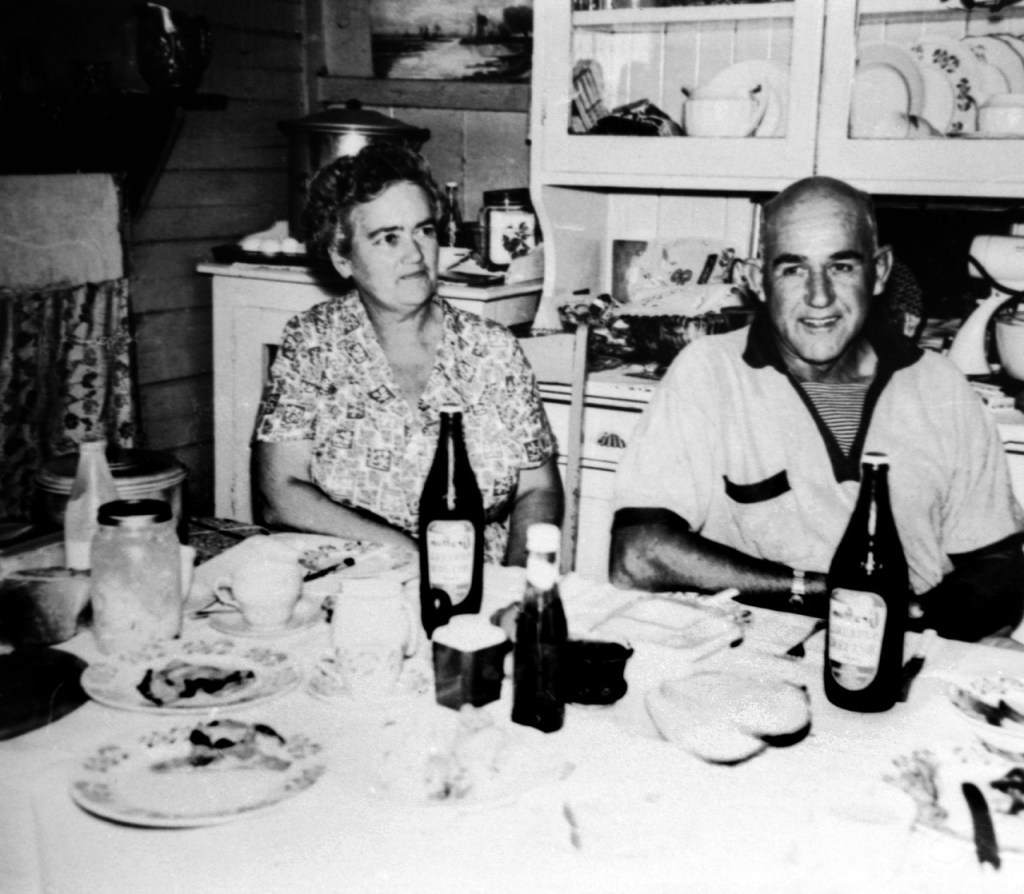
Every morning Grandma would come out to the verandah where we slept with our mosquito nets to check if we were awake so she could bring us hot buttered toast. Nothing tasted better than her plain hot buttered toast on a cold morning. She seemed to thrive on cooking and caring for everyone.
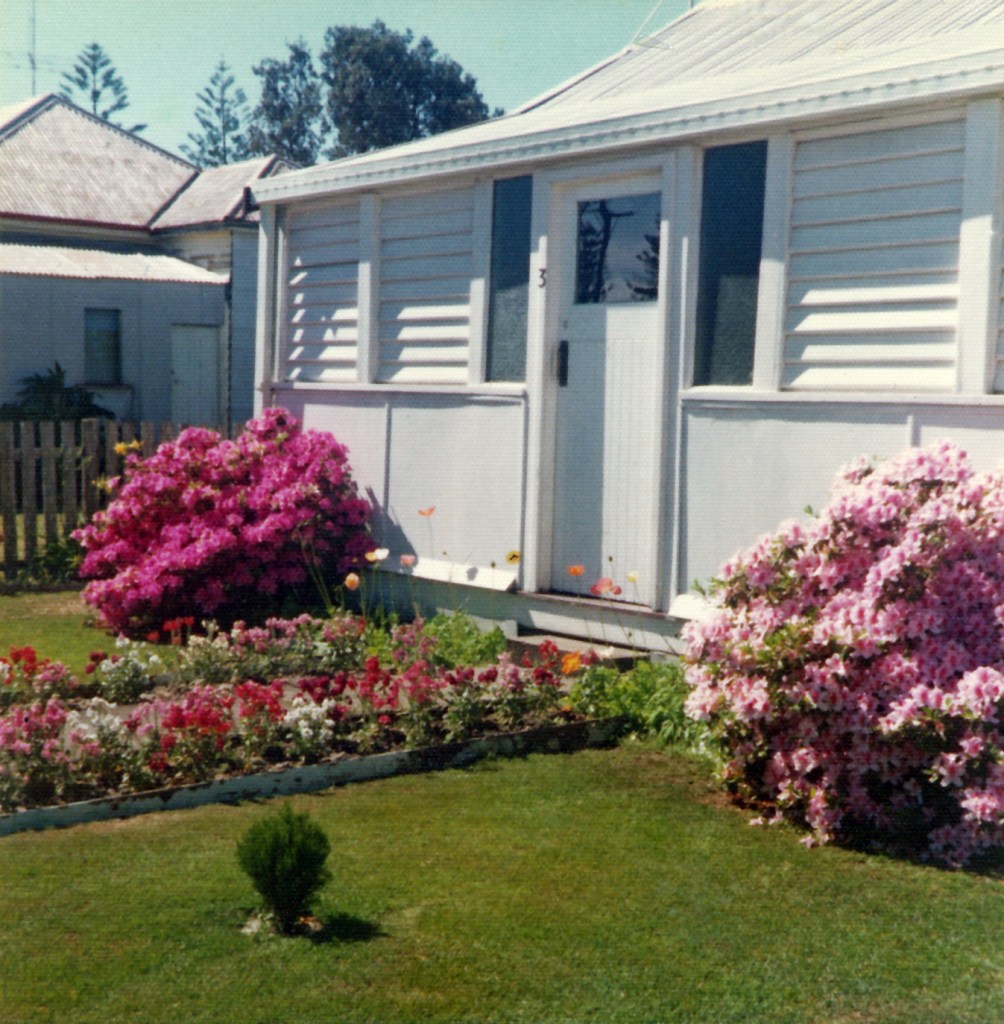
Yamba school was across the road and often when we visited we would hear the school bell. We’d play ‘schools’ on the verandah my Dad enclosed with its louvred shutters.
Grandma always grew flowers out the front, the grass was mowed and it always looked neat and tidy with its picket fence out front.
Our Grandpa George was a master rod fisherman, I have known few who had his ability to know where the fish would be in and around Yamba and then be able to catch them, except maybe my Dad and a grandson Philip who were both taught by him. Grandpa’s favourite thing in the whole world was fishing. So we would be woken at 4am, bundled into cars with our packed up home made corn meat and pickle sandwiches, all made by grandma (she loved making sandwiches), and our flasks of tea and off we’d go to get the best fishing spots before anyone else. If someone happened to get to my grandmother’s favourite spots before her, she would simply go straight up to them, fishing rod and folding chair in hand, inform them they were ‘on her rock’ and wait till they moved!
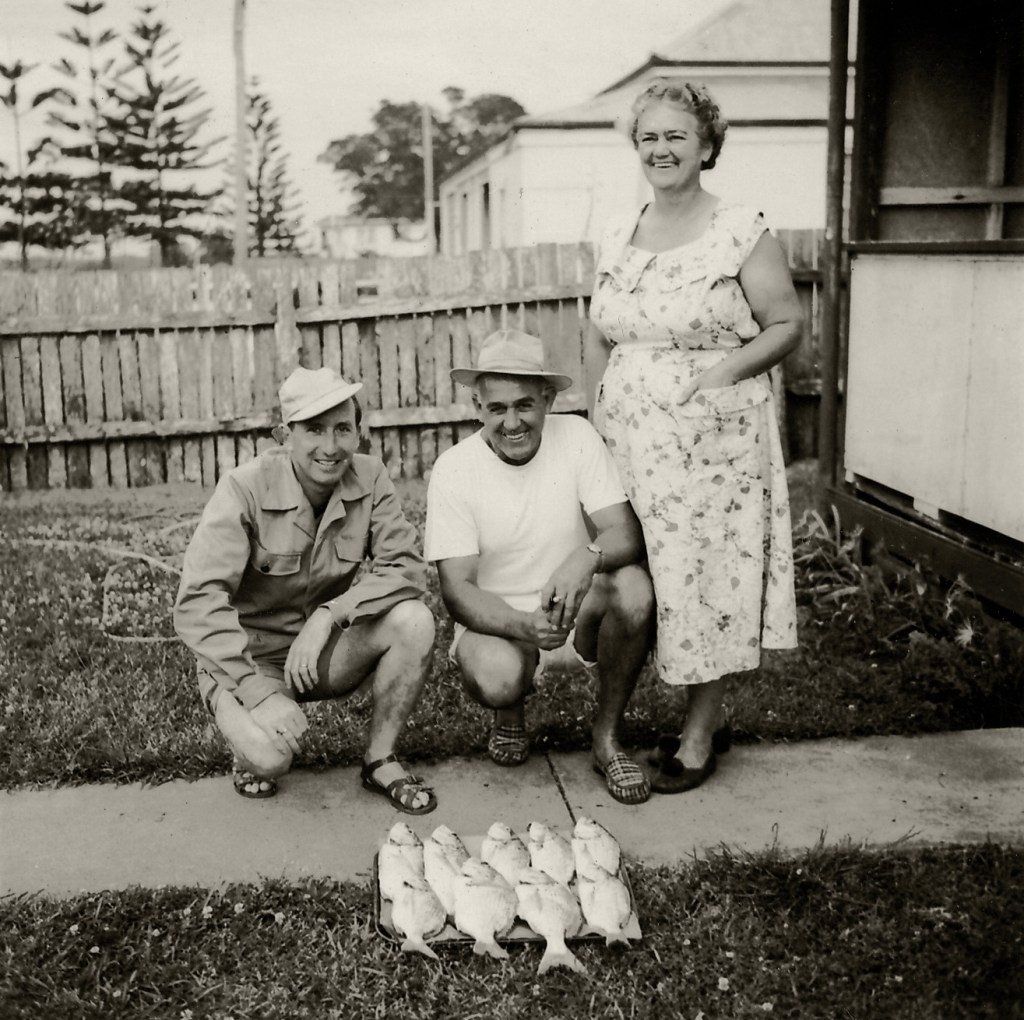
After a hard life living at her father’s farm at Alumny Creek, George and Marie were never happier than in this little cottage by the sea.

Many of the old fishing spots are no longer there, replaced by the ever increasing houses and industry.
Grandpa George would not be pleased seeing Yamba now, he was not happy with progress at the cost of the special environment of the town, but that is the way many coastal towns have gone now. He was great friends with the local Yaegl community, especially the Cameron’s and Laurie’s. They had always been great friends going out fishing together and in his later years they would bring them sand worms as bait which he bought from them. Freshly caught local beach worms wrapped in damp newspaper squares, they were masters at getting the notoriously difficult to catch beach worms. Sometimes we would go out to Pippi beach, scrabbling our feet in the sand to get pippies which we then used to attempt to catch the worms. I was always in awe at how skilled the Laurie’s were at catching these sand worms.
https://fb.watch/mavZAtZP5i/?mibextid=v7YzmG
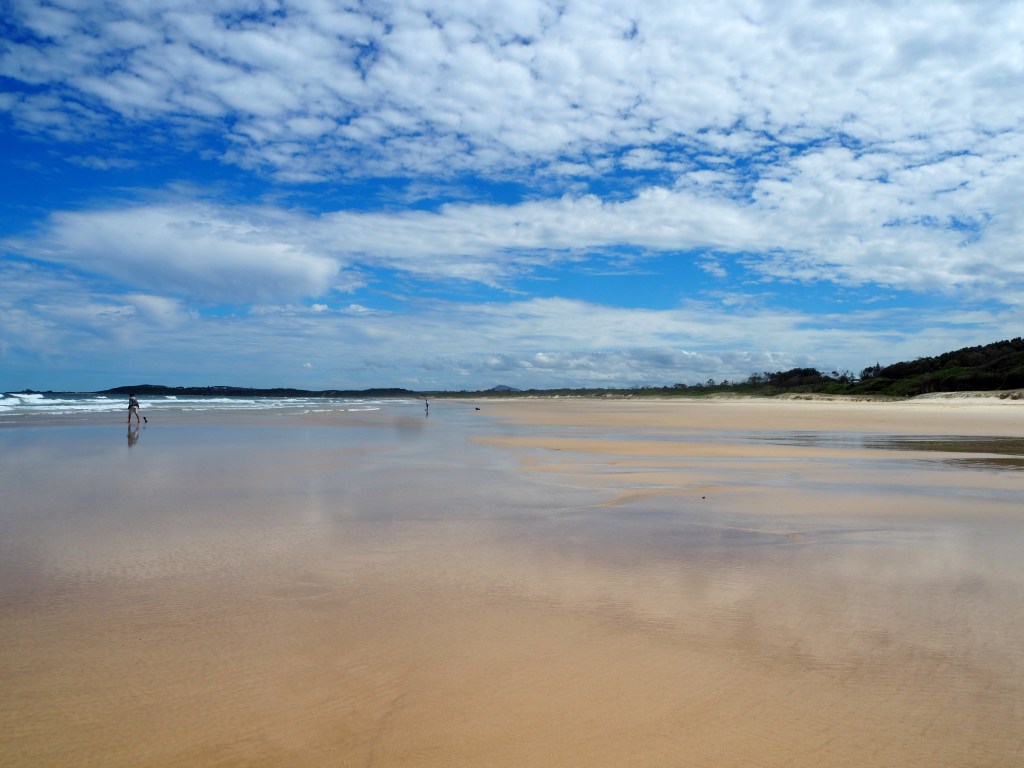
The photo below was taken in 2021 of some local non indigenous men catching beach worms at Pippi Beach, Yamba.
So the little cottage and it’s story stands as not just a history of our family when it was owned by my grandparents but in looking back to the original land, its first white ‘owner’ William Lowther, and successive white owners over nearly 150 years, where each of their stories tells not only their own lives but also a story of the town, the land and the little cottage still standing to tell its story after 130 years. It stands as a reminder of the past in amongst the brick and tile multi-storey houses, units and villas. Many probably now consider it an ‘eyesore’, but this is written to remember its history and with a connection to some of those who lived on this land and cottage in Yamba, so that we can all know its story and its past.
 A Cottage By The Sea
So interesting to read about your family and their connection to this charming little Yamba cottage. I have just painted a small oil painting of it as I found it inspiring and hope it will be there for years to come.